Paint calculator & room colour planner for Indian homes.
Choose a colour. Know the paint budget.
See a shade on a sample room, work out how much paint to buy, and take a clear brief to your painter. Free, with no sign-in.
Start with your room
1. Try a wall colour · 2. Calculate paint · 3. Save your plan. Explore the other tools below.
PAINT CALCULATORHow much paint?Litres, tins & a rough cost 02 / FLOORTiles & flooringFind boxes and material cost03 / SPACEFurniture fitCheck dimensions both ways04 / LIGHTLighting plannerEstimate fixture count05 / MONEYRoom budgetCollect quotes in one place06 / YOUR PLANSee full room planSave and share your brief
Design extras for creators
Start with your room
Select the room and the feeling you want. Your suggested colours update instantly.
Your choices stay in this browser. Clearing browser data removes saved plans and palettes.
A calm place to land
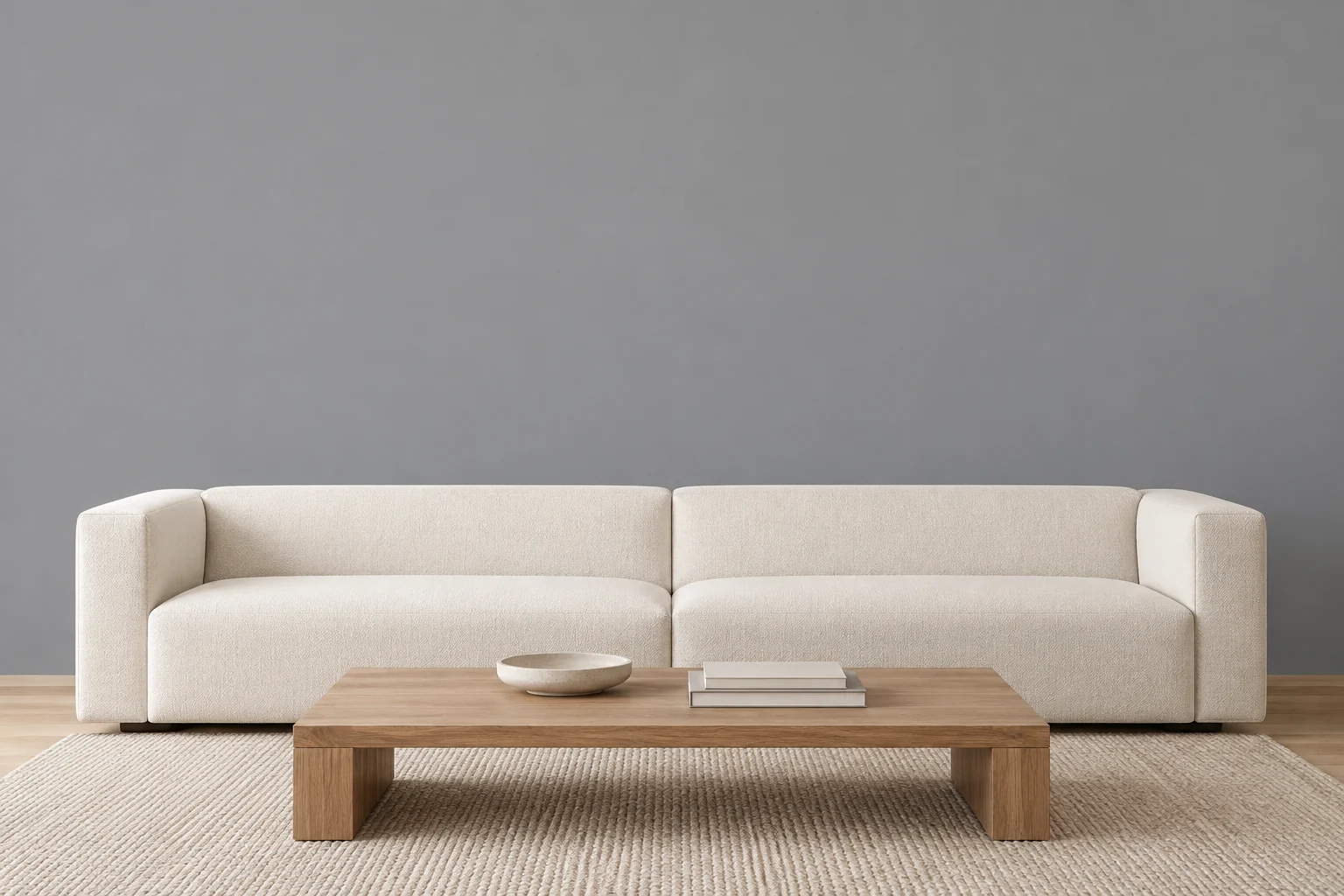
See the colour on a sample room
Choose a colour below. The sample room changes instantly, so you can compare before you buy.
Illustrative sample room, not a photo of your own space. Actual paint, wall finish and lighting will differ; test a physical sample.
Plan the quantity and cost
Enter your room size in feet. Add your local paint and painter rates to see a rough budget.
Room 1 · measurements
Example prices only: ₹350/L and ₹12/sq ft are sample inputs, not current market prices. Replace with your local quote. 100 sq ft per litre per coat is an editable example. Use the coverage on your paint tin. Painter rate is applied once to wall area; confirm what your quote includes.
Primer and putty coverage and prices are editable examples. Check the actual product pack and required coats.
- Estimated total
- Enter rates
- Rooms included
- 1
- Illustrative range (90–120 sq ft/L/coat)
- —
- Suggested tins
- —
- Paint left after estimate
- —
- Ceiling area
- Off
- Primer
- Off
- Wall putty
- Off
- Wall area after openings
- —
- Area across all coats
- —
- Paint cost
- Enter price
- Painter cost
- Enter rate
Range is illustrative; brand, product and surface can differ greatly. Excludes repairs, taxes and other materials. Ceiling, primer and putty are included only when selected.
How we calculate
Wall area = 2 × (length + width) × height − doors/windows, summed across rooms. Area across coats = painted area × coats. Paint litres = area across coats ÷ your coverage, then 10% extra and rounded up. We use whole litres to suggest common 1 L, 4 L, 10 L and 20 L tins. Ceiling is length × width per room when selected. Primer and putty use their own editable coverage and prices.
This is a planning estimate. Ceiling, primer and putty are off by default. Repairs, tax, delivery, surface preparation and extra materials are excluded.
Colour code is a digital HEX reference, not a paint brand shade code. Match a physical swatch before buying.
Plan with more confidence
All practical guides →PRACTICAL GUIDEHow much paint do you need for a 1 BHK?
A measurement worksheet with a calculation example, not a fixed number for every flat.
Read guide →PRACTICAL GUIDEHow much paint do you need for a 2 BHK?
A three-room worked example and a worksheet for the rest of your home.
Read guide →PRACTICAL GUIDEHow to measure walls for painting
Take useful measurements before asking for a painter quote or buying tins.
Read guide → PRACTICAL GUIDE
Planning paint for kitchens and bathrooms
Choose colours around tiles and light, then check the wall before buying paint.
Read guide →PRACTICAL GUIDEPainter quote checklist
Know which questions to ask before agreeing to a painting job.
Read guide →How to choose colours for a room in an Indian home
Choosing a wall colour is easier when you start with what is already in the room. Note the floor, curtains, cabinets and the amount of daylight before choosing a shade on a screen. A tiny swatch and a full painted wall can look very different. Use the RangVault preview to compare ideas, then test actual paint samples in your room before ordering tins.
Start with daylight and direction
Stand in the room at the times you usually use it. A north-facing room may receive less direct sun, so a colour that looks bright in a showroom can appear quieter at home. A south-facing room often gets stronger light during part of the day and can make a pale wall look brighter. East-facing rooms change noticeably between morning and evening; west-facing rooms can look warm late in the day. These are starting observations, not rules: nearby buildings, balconies, tinted glass and your lamps can matter more than compass direction.
Look at the colour at morning, afternoon and night. Warm lamps can make an off-white appear creamier. Cool light can bring out a grey undertone. If the room is small or shaded, a light wall may help it feel open, but you do not have to avoid deep colours. Try them on one wall or in furniture first. Compare colours beside the actual flooring, not against a plain white phone screen.
Room-wise colour ideas
Living room: Start with a calm base that works with the sofa and floor. Bring stronger colour into cushions, artwork or a feature wall so the space can change over time. In a busy family room, ask the shop about the finish's cleaning instructions. Bedroom: Consider the colour under evening light, not only daylight. Muted blues, warm neutrals and soft greens are options, but your own preference and existing textiles matter most. Test a larger patch behind the bed and another near the window.
Kitchen: Cabinets, counters and tiles already occupy much of the visual space. Choose a wall colour that works with those fixed materials, and check how it looks under task lights. Ask for a washable finish suitable for the surface and keep cooking ventilation working. Bathroom: Treat moisture as a practical issue first. Fix leaks and damp patches before repainting, use products specified for the wall and wet conditions, and keep ventilation working. A visual preview cannot tell you whether a coating will resist dampness. Study: Look at the wall behind and beside your monitor. A quiet wall can reduce visual distraction, while a small accent can add personality. Check both daytime and desk-lamp conditions.
Vastu and personal preference
Some households use Vastu traditions when selecting room colours and directions. If that is meaningful to your family, you can include it in the shortlist alongside comfort and function. There is no reliable basis for promising that a colour will change health, income or relationships. Treat these ideas as cultural preferences rather than measurable results. You should still test the actual product in the room and agree on the choice with the people who will live there.
Humidity, monsoon and wall condition
Paint needs a sound, dry surface and enough time to dry according to the product instructions. During humid or rainy weather, drying may take longer; exterior work can be especially exposed to rain. Do not cover an active leak or damp patch with a fresh topcoat and assume the problem is solved. Ask a painter to identify the cause, repair it and check whether primer, putty or another preparation step is needed. The right system depends on the condition of the wall and the paint you choose.
For kitchens and bathrooms, ask whether the chosen coating is washable or suitable for moisture-prone spaces. Product claims are specific: follow the manufacturer's application and ventilation instructions. If you rent, confirm your lease and get the owner's approval before making a permanent colour change; removable decor or textiles can still change how a room feels.
How to test samples before buying
Shortlist two or three shades. Apply each as a reasonably large physical sample on more than one wall, following the paint maker's preparation and coat guidance. Leave enough room around each patch to see the colour on its own. Compare it during daylight, after sunset and beside your furniture. A phone camera can change white balance, so look with your eyes as well as taking a photo. Record the exact brand, product, finish and shade code from the physical sample before ordering. A HEX code shown in RangVault is only a digital reference; it is not a paint brand's shade code.
When the colour feels right, measure the walls, subtract doors and windows, then confirm the paint's stated coverage per litre and number of coats. The calculator adds an editable allowance and estimates cost using the rates you enter. It cannot see wall porosity, texture or the painter's preparation work. Share the brief with the painter, ask for a written quote, and check the final list of materials and tin sizes before you pay.
Further reading: primer and putty, weather and painting, and measuring a room.
Make it your own.
Screen colours can differ from paint and print. Test a physical sample before buying.